
Engineered Components for Flow Management and Mechanical Reliability
Reactor and vessel internals support catalyst beds, distribute fluids, retain solids, and manage internal flow. Designs should account for mechanical loading, differential pressure, thermal expansion, corrosion, erosion, and installation requirements.
Supporting Reliable Reactor Operation
Inside fixed-bed reactors and process vessels, internal components must do more than occupy space. They support catalyst and inert media, retain solids, direct fluids, and withstand substantial thermal and mechanical loads. Poorly designed internals can create uneven flow, excessive pressure drop, catalyst migration, or localized stress that affects reliability and operating performance.
Support grids and screens carry loads while providing controlled flow passages. Distributors and collectors help manage fluid movement through and around catalyst beds, and retention devices keep solids where they belong. Each component contributes to the overall hydraulic and mechanical integrity of the vessel.
Engineering review should consider differential pressure, bed loads, thermal expansion, corrosion allowance, fabrication tolerances, and inspection access. Existing vessel geometry and support attachments often govern what can be installed during a retrofit.
Products in this category
6 products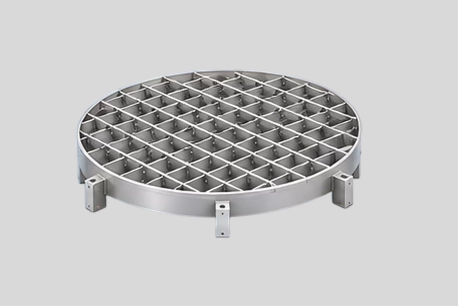 Reactor Support Grids
Support catalyst beds or inert media while providing open passages for process flow.
View details
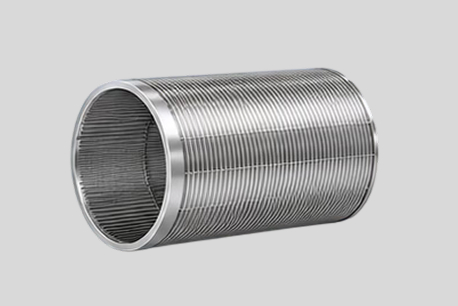 Wedge Wire Screens
Profiled wires form controlled continuous slots for fluid passage and solids retention.
View details
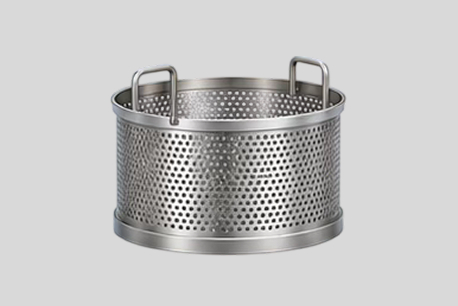 Catalyst Retention Systems
Screens, grids, and retaining structures help prevent migration of catalyst or support media.
View details
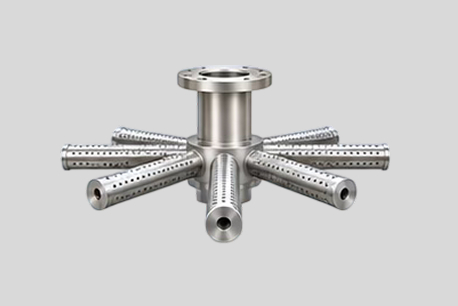 Reactor Inlet Distributors
Distribute incoming fluids across a reactor cross-section to reduce localized flow concentration.
View details
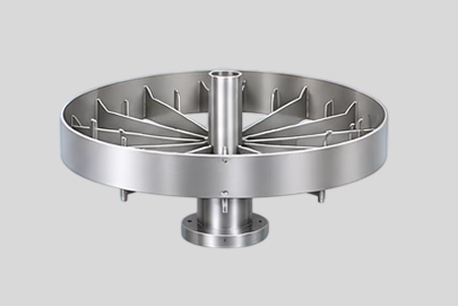 Outlet Collectors
Collect fluids exiting a reactor bed and direct flow to the outlet while managing solids retention.
View details
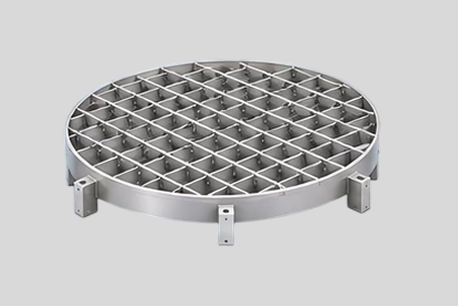 Custom Vessel Internals
Baffles, support rings, perforated plates, screens, and flow-management components are configured for specific vessel requirements.
View details