
Engineered Solutions for Efficient Phase Separation
Gas–liquid separation internals promote the removal of entrained liquid droplets from gas and vapor streams in separators, scrubbers, knockout drums, and process vessels. Performance depends on velocity, fluid properties, droplet distribution, liquid loading, operating pressure, and vessel geometry. Appropriate selection can reduce liquid carryover and protect downstream equipment.
Why Separation Internals Matter
In gas-processing and production vessels, gravity alone may not remove small droplets carried by flowing gas. When liquid passes into compressors, downstream piping, or treatment equipment, it can contribute to erosion, corrosion, fouling, unstable operation, and avoidable maintenance. Separation internals introduce controlled changes in flow direction, interception surfaces, and liquid drainage paths to help disengage the phases within the available vessel space.
The engineering objective is not simply to capture droplets: the system must also handle normal and upset flow rates without excessive pressure drop, liquid re-entrainment, or flooding. Inlet devices condition the incoming stream, mist eliminators capture entrained droplets, and liquid handling components promote safe drainage and withdrawal. Their combined arrangement should be evaluated as one separation system.
A suitable design considers the full operating envelope, fluid properties, vessel orientation, available disengagement height, fouling tendency, and maintenance access. The preferred technology varies by duty; no single internal is optimal for every service.
Products in this category
12 products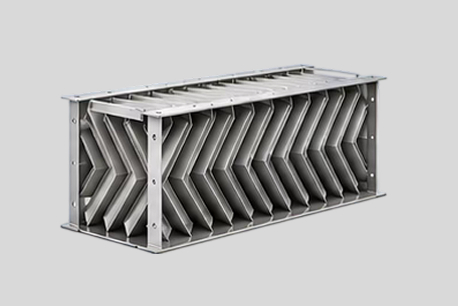 Vane Pack Mist Eliminators
Profiled plates force changes in gas-flow direction; droplets with sufficient inertia impact vane surfaces, coalesce, and drain.
View details
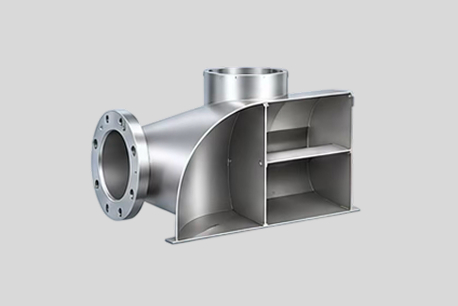 Inlet Devices
Inlet diverters, vane-type devices, and other configurations manage incoming multiphase momentum and encourage initial phase disengagement.
View details
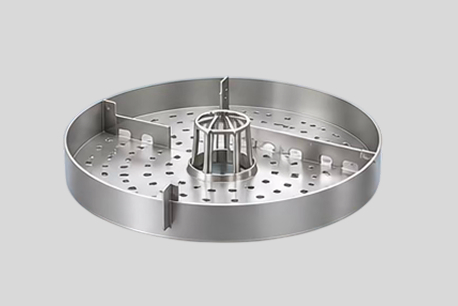 Liquid Handling Internals
Collection trays, drains, calming arrangements, and anti-vortex components manage separated liquids and help limit re-entrainment.
View details
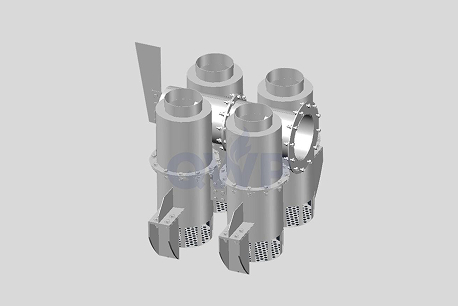 Cyclonic Separation
Cyclonic separation devices use rotational flow and centrifugal acceleration to separate entrained liquid droplets or particles from a gas stream.
View details
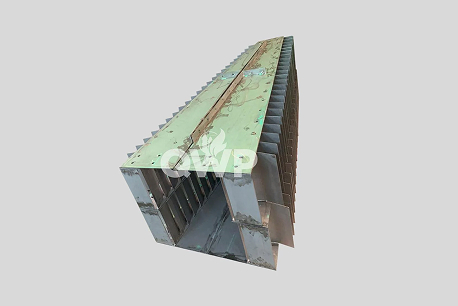 Vane-Type Inlet Device
A vane-type inlet device redirects the incoming multiphase stream through shaped passages to reduce momentum and promote initial gas–liquid disengagement.
View details
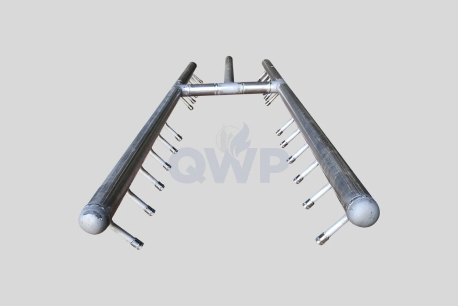 Sand Jetting Device
Sand jetting systems use directed flushing fluid through nozzles or headers to mobilize accumulated sand and solids for removal from a separator.
View details
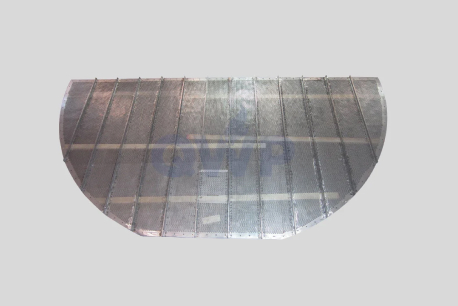 Perforated Baffles (Wave Breakers)
Perforated baffles are internal plates or panels that dampen liquid movement while permitting controlled flow between vessel compartments.
View details
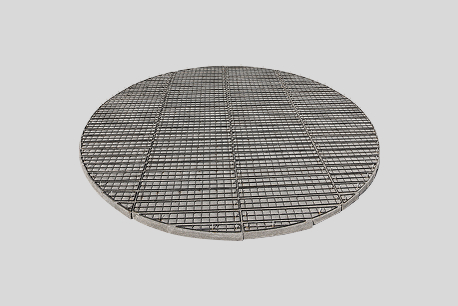 Demister Pad (Wire Mesh Mist Eliminator)
Knitted wire mesh pads capture entrained liquid droplets through interception and inertial impaction, allowing collected liquid to coalesce and drain.
View details
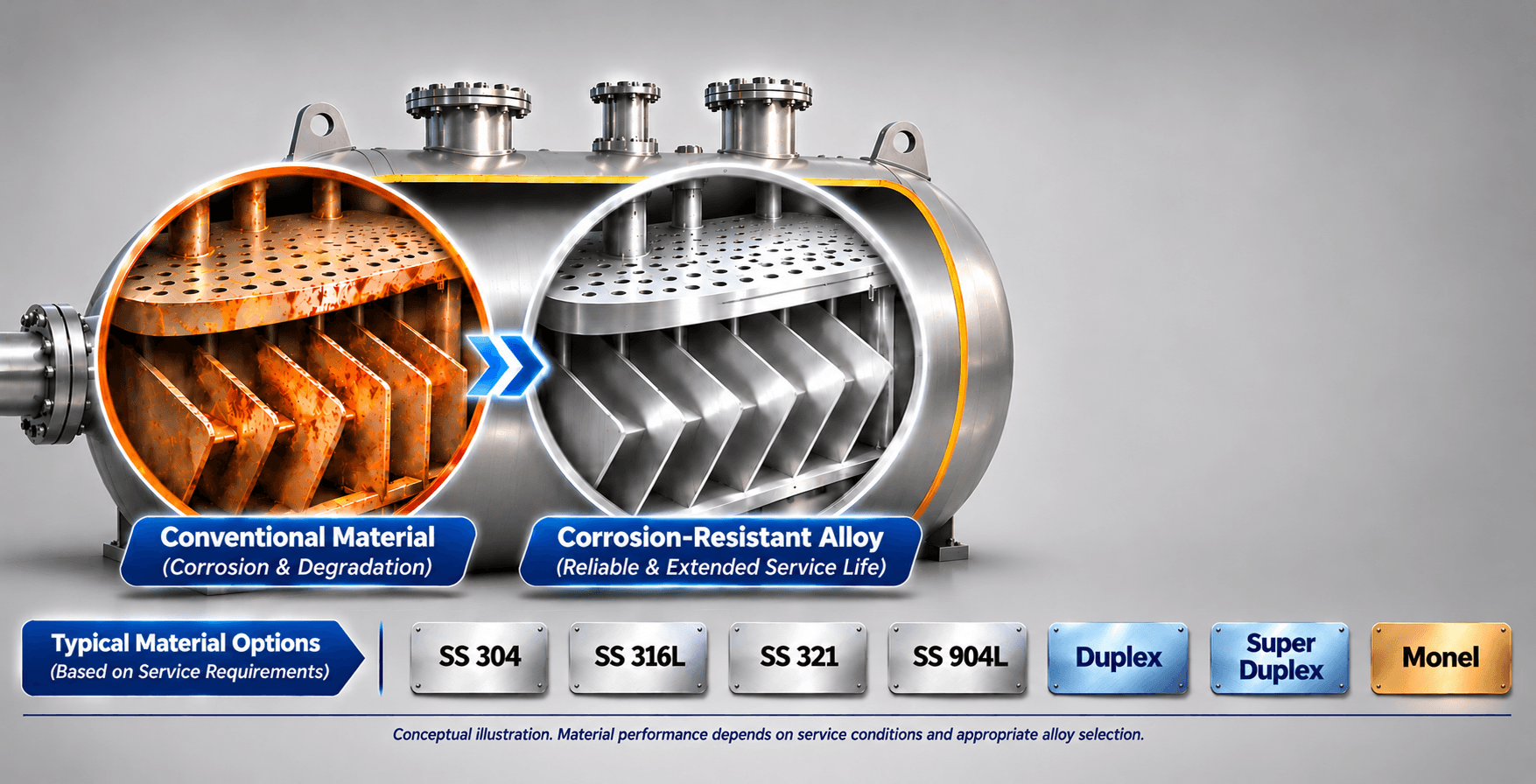 Corrosion-Resistant Services
Corrosion-resistant material selection and protective design support the reliable operation of separation and process internals in aggressive fluid environments.
View details
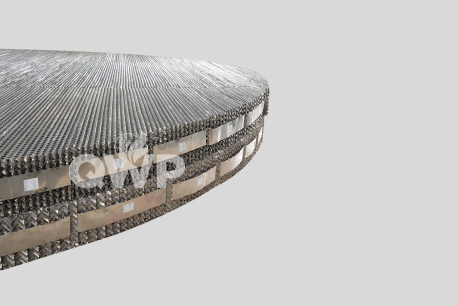 Defoaming Pack
Defoaming packs are engineered internal structures that encourage foam bubbles to contact surfaces, drain liquid films, and collapse.
View details
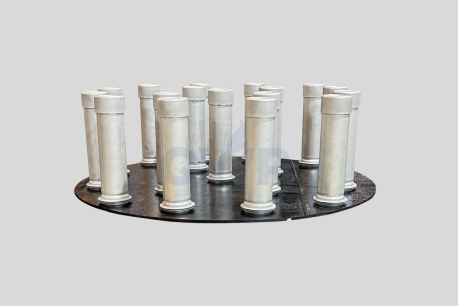 Demisting Cyclone
Demisting cyclones are compact centrifugal mist-removal elements designed to separate entrained liquid droplets from flowing gas.
View details
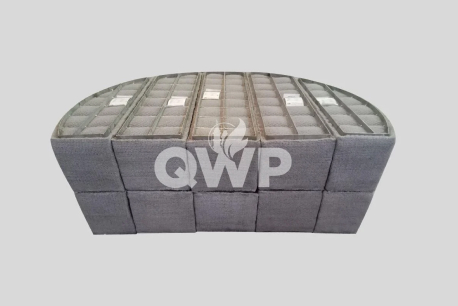 Innovative Coalescence Technology
Engineered coalescing media and staged separation arrangements promote the growth of fine dispersed liquid droplets to improve downstream phase separation.
View details